How long does asphalt last? A well-installed asphalt surface typically lasts 15–25 years, but traffic, drainage, weather, installation quality, and maintenance all affect its actual longevity.
For property owners, understanding these factors makes it easier to plan repairs and avoid premature replacement. Chamberlain Contractors has served Maryland, Virginia, Pennsylvania, Delaware, and the D.C. Metro Area since 1976, providing asphalt and pavement services for commercial and residential properties. Here’s what you should know about asphalt lifespan.
What Determines Asphalt Lifespan?
Asphalt lifespan varies considerably between properties, even when contractors install the pavement around the same time. Construction quality, traffic, weather, drainage, and maintenance all influence how quickly the surface wears down.
Installation Quality and Underlying Support
Long-lasting pavement starts with proper site preparation, compaction, drainage, and supporting layers that match how people use the property. Areas that regularly support delivery trucks, buses, waste collection vehicles, or other heavy traffic need thicker pavement or stronger underlying support than a residential driveway or lightly used parking area.
Contractors should also account for soil conditions and drainage when planning commercial asphalt paving projects. These factors help determine the pavement structure a property needs rather than relying on the same design for every site.
Traffic and Heavy Vehicles
Heavy vehicles put the most stress on loading zones, entrances, turning lanes, and waste collection areas. Property managers should watch for cracking, depressions, or rutting in these high-use areas, even when parking spaces elsewhere still look sound.
Changes in property use also affect what the pavement needs to handle. For example, adding frequent deliveries or heavier service vehicles may require an assessment even if the pavement previously handled passenger vehicles without problems.
Water, Weather, and Drainage
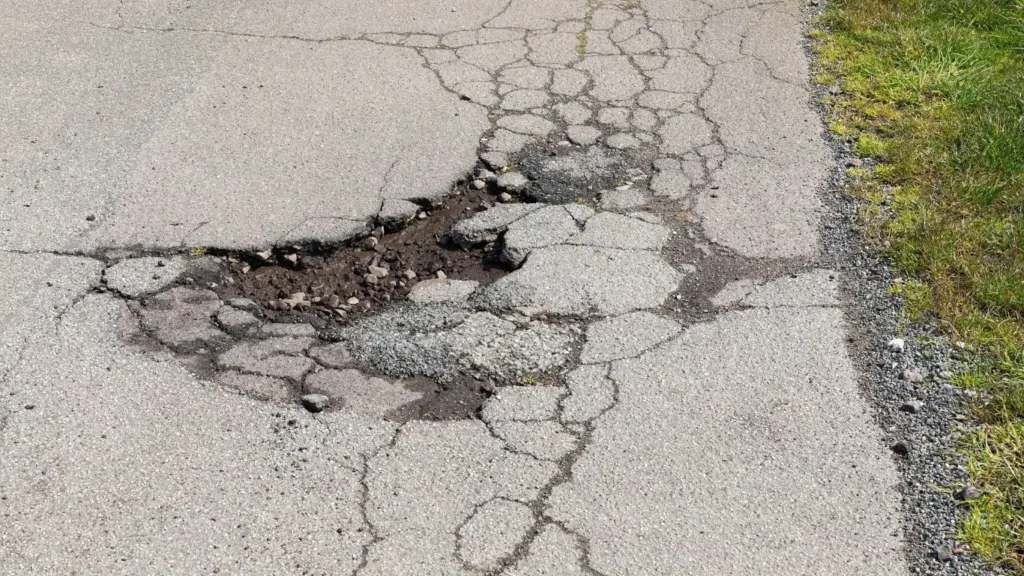
Cracks give rain and melting snow a path into the pavement and supporting layers, where moisture can contribute to deterioration. Mid-Atlantic freezing and thawing worsens existing cracks as trapped water freezes, expands, and thaws.
Property owners should watch for standing water, clogged drainage paths, and areas where water repeatedly collects after storms. These signs warrant a closer look because the problem may involve surface drainage, pavement settlement, or the supporting layers beneath the asphalt.
How Maintenance Helps Asphalt Last Longer
Routine inspections help property owners catch cracks, damaged areas, and drainage concerns before they grow. Timely repairs, clear drainage paths, and professional parking lot maintenance protect the pavement and extend its useful life.
Sealcoating protects the asphalt surface from weathering and everyday exposure. However, it does not restore structural strength or repair pavement that has already failed.
How Long Does Asphalt Resurfacing Last?
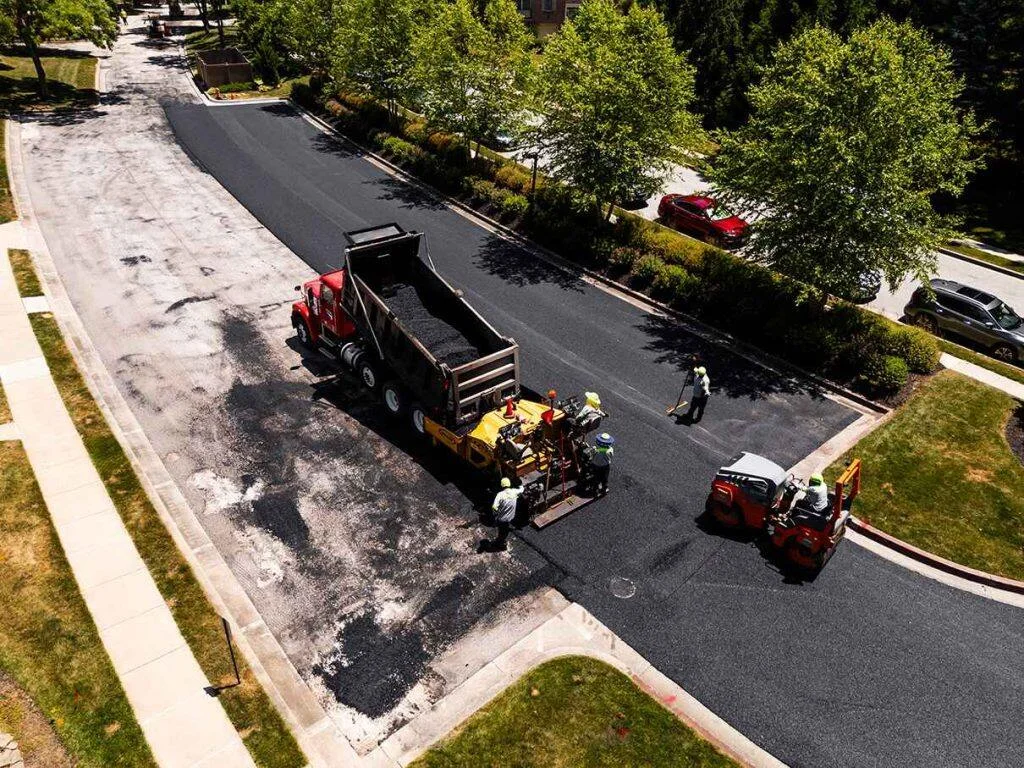
Asphalt resurfacing can add years of usable life when the pavement underneath remains stable, but no single lifespan applies to every property. The condition of the existing pavement, preparation work, overlay design, traffic, and drainage all influence how long the new surface performs.
During resurfacing, contractors place a new asphalt layer over the existing pavement, sometimes after milling away part of the old surface. Unlike sealcoating, which protects the surface, resurfacing adds new asphalt to address more significant wear and deterioration.
Why the Existing Pavement Still Matters
A new asphalt layer cannot correct a weak base, significant settlement, or other problems below the surface. When damage only affects certain areas, contractors may repair those failed sections before resurfacing the remaining pavement.
Resurfacing renews the driving surface but leaves much of the existing pavement structure in place. If deterioration extends into the underlying layers, the property needs deeper rehabilitation or replacement instead of another overlay.
How Often Should Asphalt Be Replaced?
Asphalt does not need replacement at a set age. Schedule an assessment when you see widespread fatigue cracking, recurring failures in previously repaired areas, or repair needs that keep growing across the property.
These problems signal deterioration below the surface rather than isolated wear. An assessment determines how deep the damage extends and whether repairs, resurfacing, or replacement makes the most sense.
Choosing Between Repairs, Resurfacing, and Replacement
The right approach depends on where the damage occurs and whether the pavement underneath can still provide reliable support.
| Option | When It May Make Sense | What It Addresses |
|---|---|---|
| Repairs | Cracks, potholes, or damage limited to specific areas | Corrects localized problems without replacing the entire surface |
| Resurfacing | Widespread surface wear with suitable pavement underneath | Adds a new asphalt layer to renew the driving surface |
| Deeper rehabilitation or replacement | Widespread cracking, settlement, recurring failures, or problems below the surface | Addresses deterioration that surface repairs or an overlay cannot correct |
Property managers don’t need to replace an entire parking lot just because one area fails. Targeted repairs address isolated damage, while more widespread or deeper problems may require asphalt milling and reclamation or replacement.
Plan Ahead for Your Property’s Pavement Needs
Get the most out of your asphalt’s lifespan by keeping records of installation dates, past repairs, pavement photos, and changes in traffic or vehicle types. These details help contractors track recurring problems and determine how quickly pavement conditions have changed.
Periodic pavement assessments also help you budget for repairs and phase larger improvements before damage disrupts traffic or property access. If you need help deciding between maintenance, resurfacing, or replacement, contact Chamberlain Contractors to discuss your pavement needs.
Frequently Asked Questions
Can asphalt last longer than 25 years?
Yes. Some asphalt lasts beyond 25 years depending on its construction, traffic, drainage, maintenance, and overall condition.
Does sealcoating reset asphalt lifespan?
No. Sealcoating protects the surface from wear and weathering, but it cannot repair structural damage or restart the pavement’s lifespan.
Can new asphalt be installed over old asphalt?
Yes, if the existing pavement can support an overlay. A contractor should first check its structural condition, drainage, and elevations and repair failed areas.
Does faded asphalt need to be replaced?
Not necessarily. Fading shows surface aging, but cracking, settlement, material loss, and overall pavement condition better indicate repair needs.
Should a parking lot be replaced as soon as it reaches 20 years old?
No. A well-performing older lot may remain usable, while younger pavement with widespread or structural damage may need more extensive work.
How long does asphalt last compared to concrete?
Asphalt typically lasts 15–25 years, while properly installed and maintained concrete can last 25–30 years or longer. See our asphalt vs. concrete comparison for a complete breakdown.