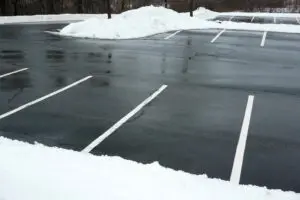
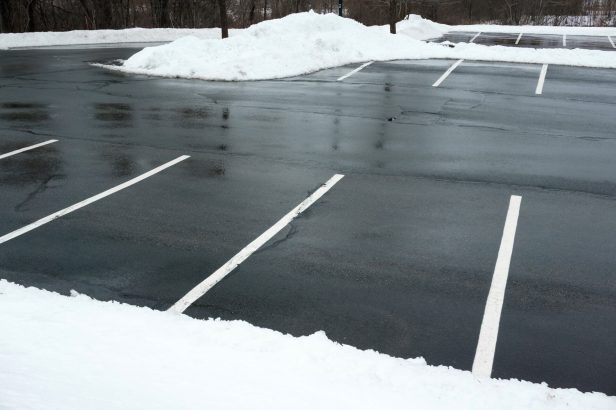
Winter weather can be particularly hard on asphalt surfaces, especially when temperatures repeatedly fluctuate above and below freezing. This process, known as the freeze-thaw cycle, is one of the leading contributors to pavement deterioration during colder months.
So, How Does It Happen?
When rain or melting snow enters small cracks and openings in asphalt, that moisture can become trapped beneath the surface. As temperatures drop, the water freezes and expands. This expansion places pressure on the surrounding pavement, gradually weakening the asphalt structure.
When temperatures rise again, the ice melts, leaving behind small gaps and additional space for water to collect. As this process repeats throughout the winter, existing cracks can become larger, pavement surfaces can weaken, and potholes may begin to form.
What Can Property Owners Do?
Although winter weather cannot be controlled, there are steps you can take to minimize its impact on your pavement.
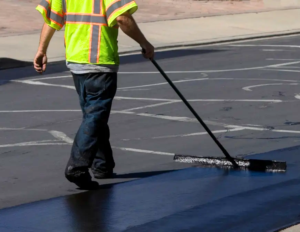
- Seal existing cracks before winter weather arrives.
- Repair potholes and damaged pavement areas promptly.
- Maintain proper drainage to prevent water from collecting on paved surfaces.
- Schedule routine pavement inspections to identify early signs of deterioration.
- Address minor pavement concerns before they develop into more extensive repairs.
Understanding the freeze-thaw cycle is an important part of protecting your pavement. Preventative maintenance can help reduce weather-related damage and extend the lifespan of your asphalt.
At Chamberlain Contractors, we believe that taking care of your pavement before problems develop is one of the best ways to protect your investment.