Asphalt milling and reclamation are methods for restoring damaged pavement.
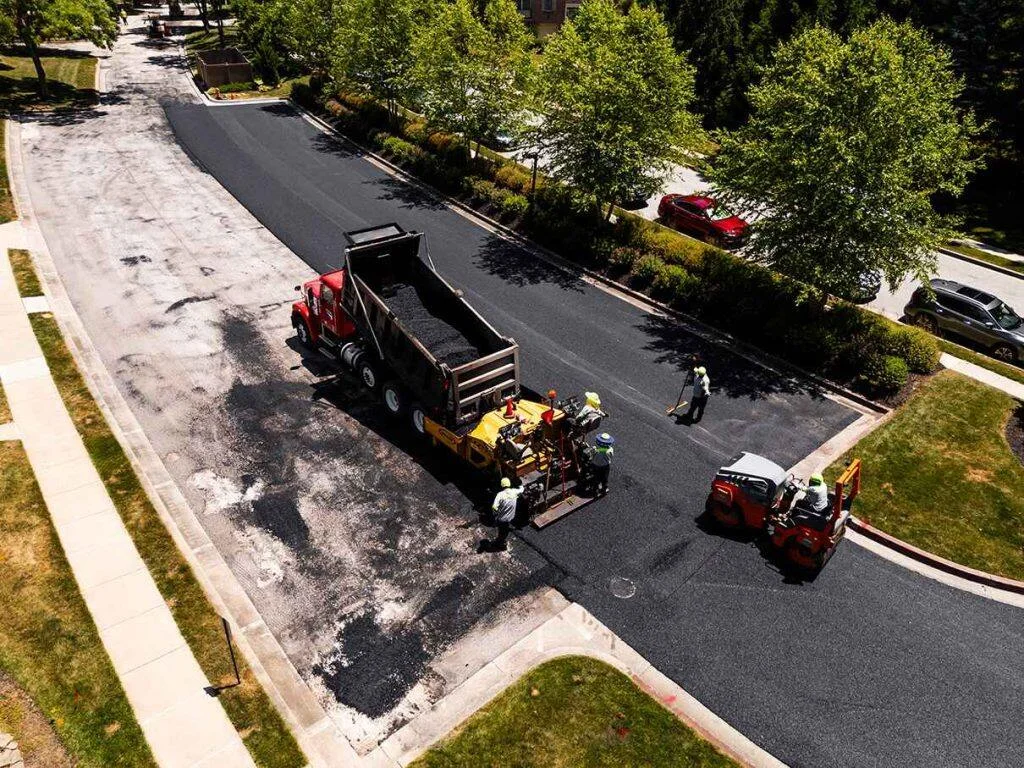
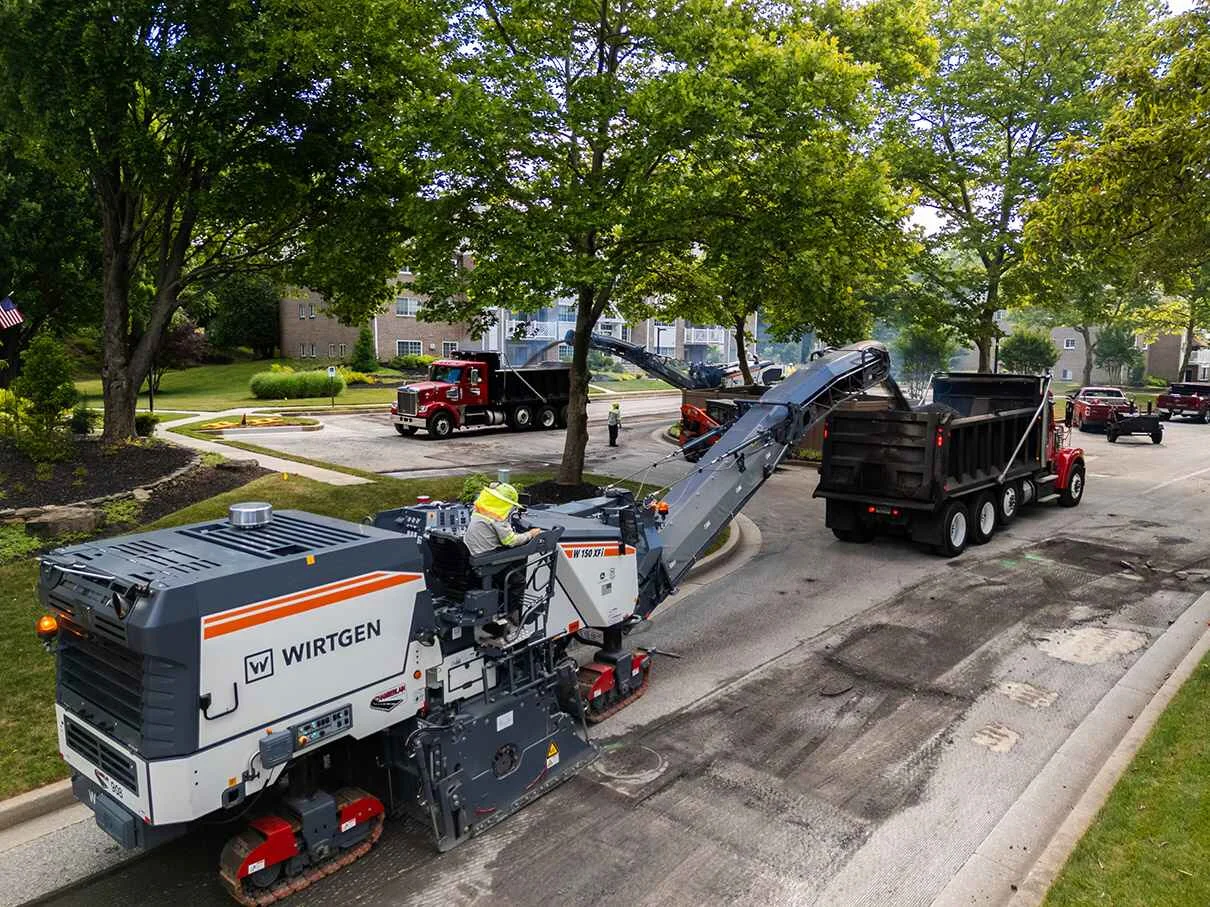
Milling focuses on removing the road surface, taking off the top layer so it can be replaced with fresh, reclaimed asphalt. Reclamation goes deeper by recycling the existing asphalt and base layers to create a stronger foundation.

Both processes improve surface quality, reduce long-term maintenance costs, and support environmentally responsible construction.
Asphalt Milling Explained
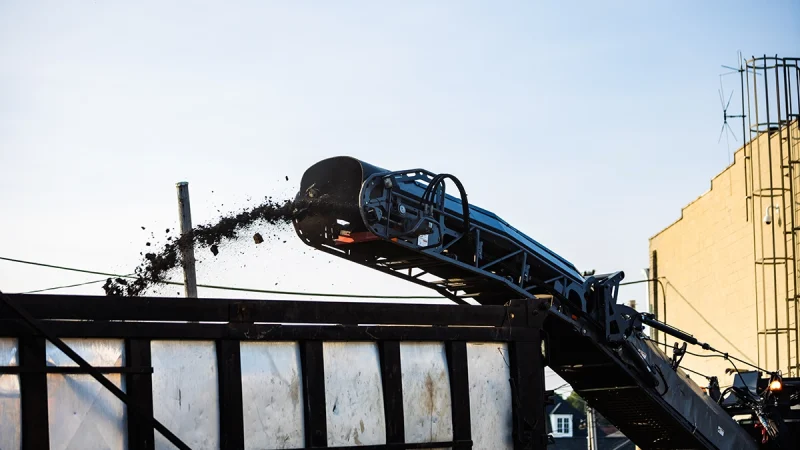
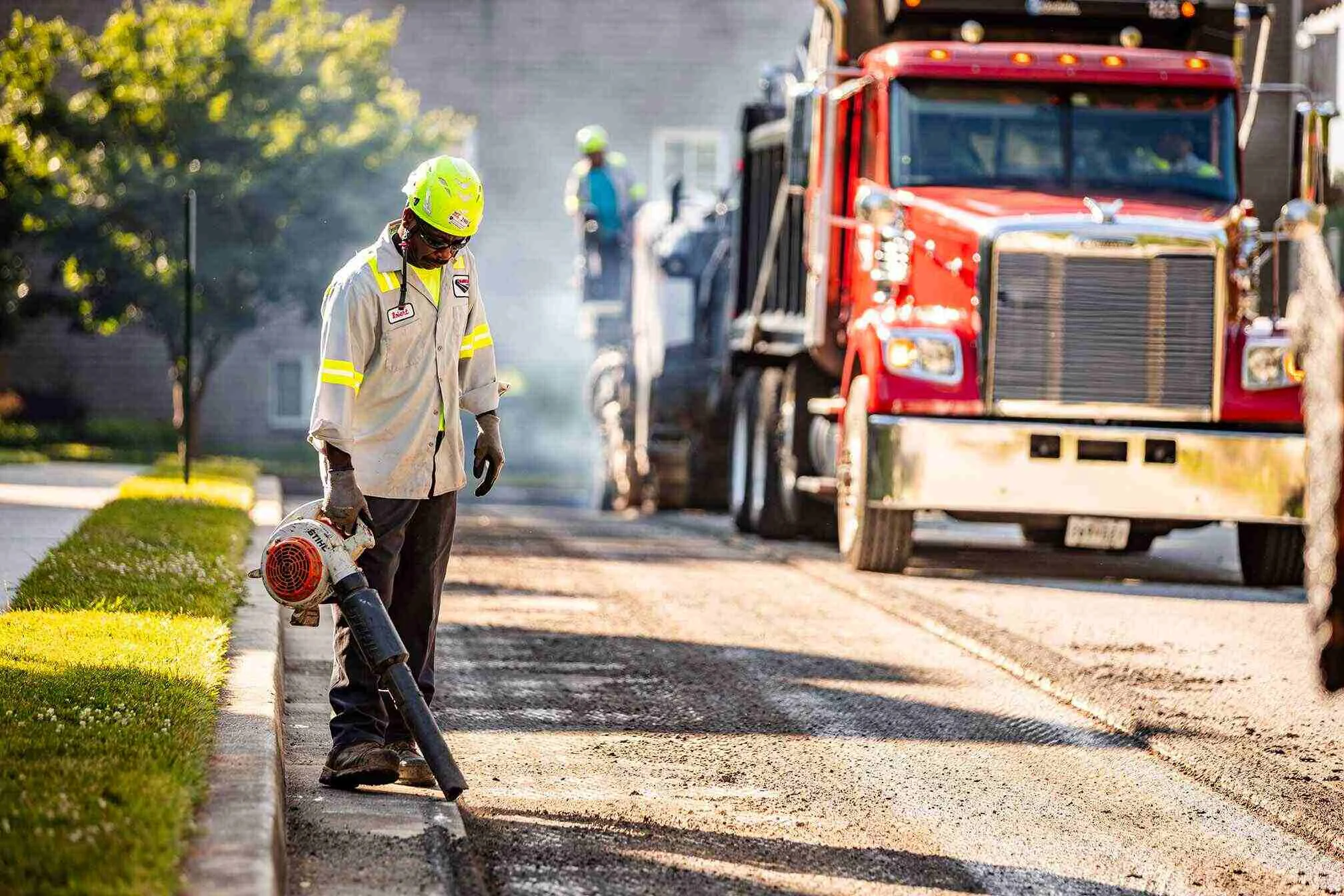
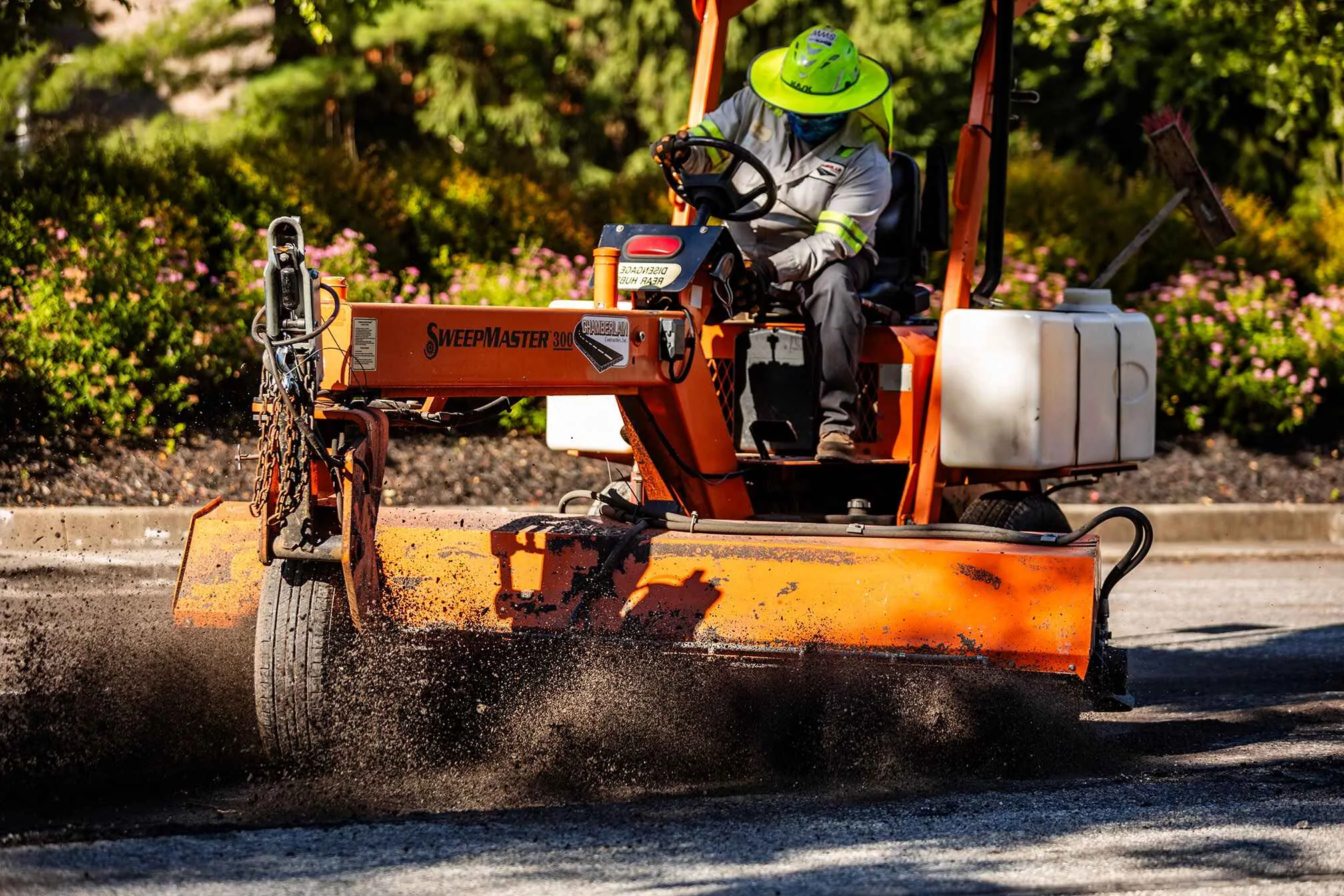
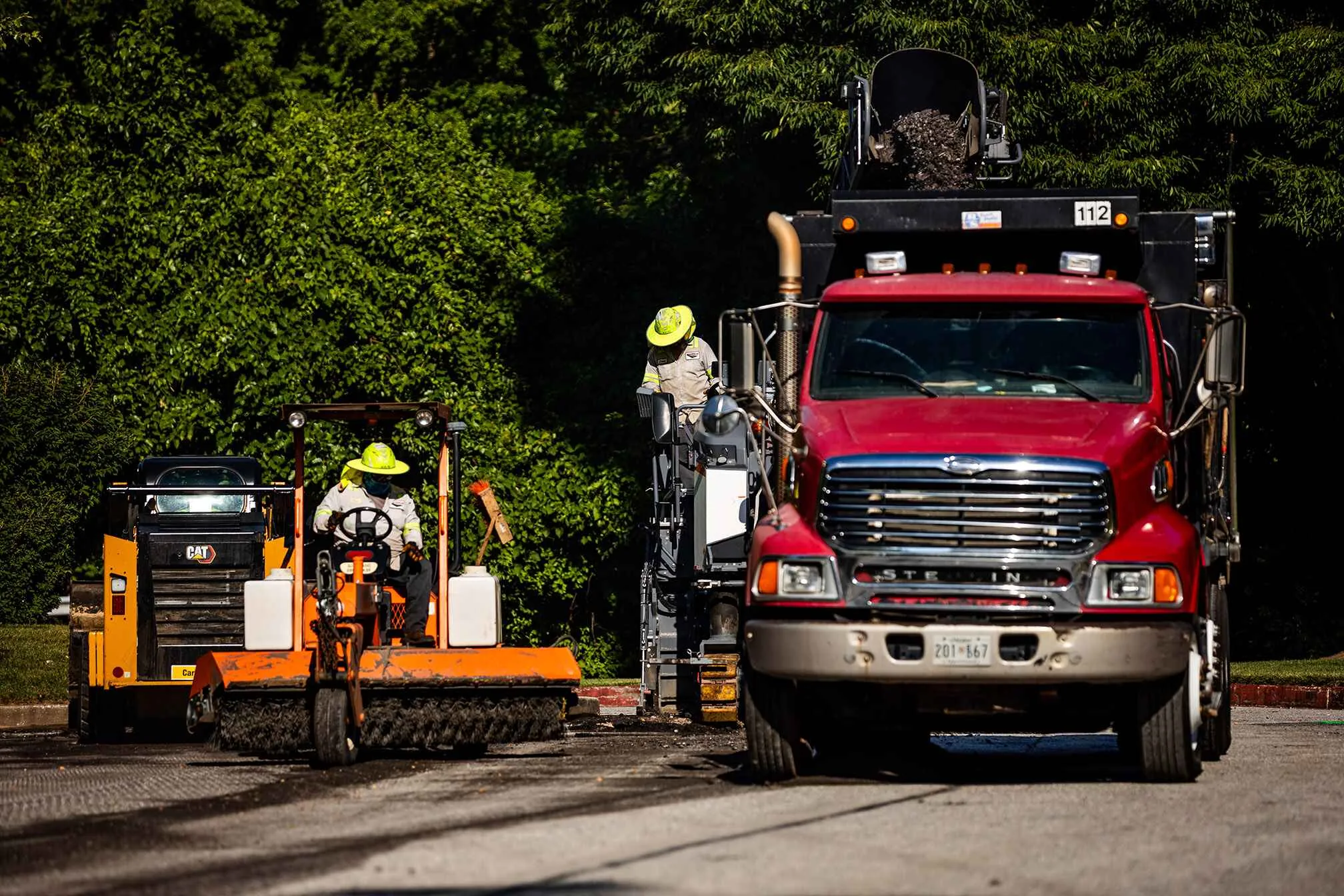
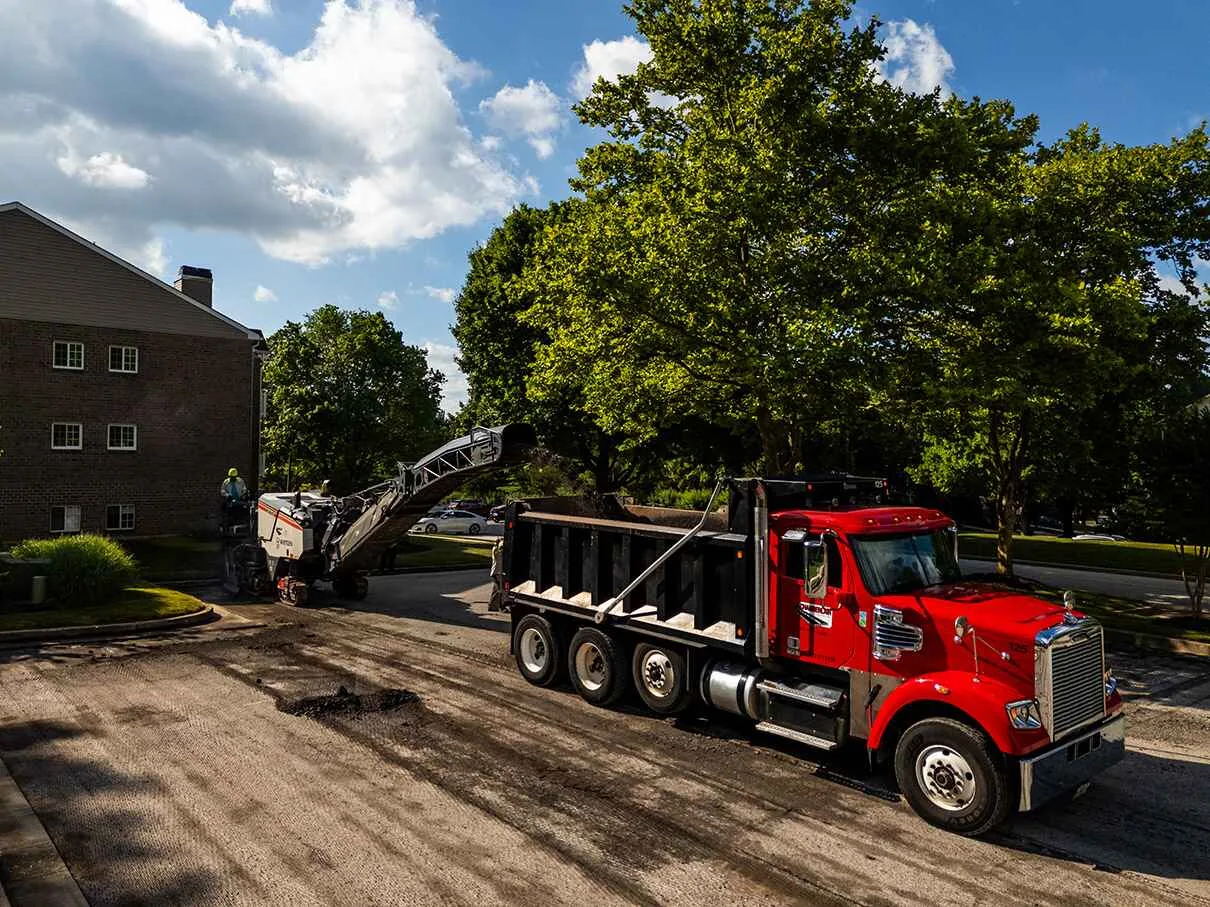
Asphalt milling removes the upper layer of worn or cracked asphalt using specialized grinding equipment. The milling machine precisely grinds the surface to a set depth, allowing the base structure to remain intact. This creates a smooth, even foundation for resurfacing or overlay work.
Benefits include:
- Smoother, safer driving surfaces
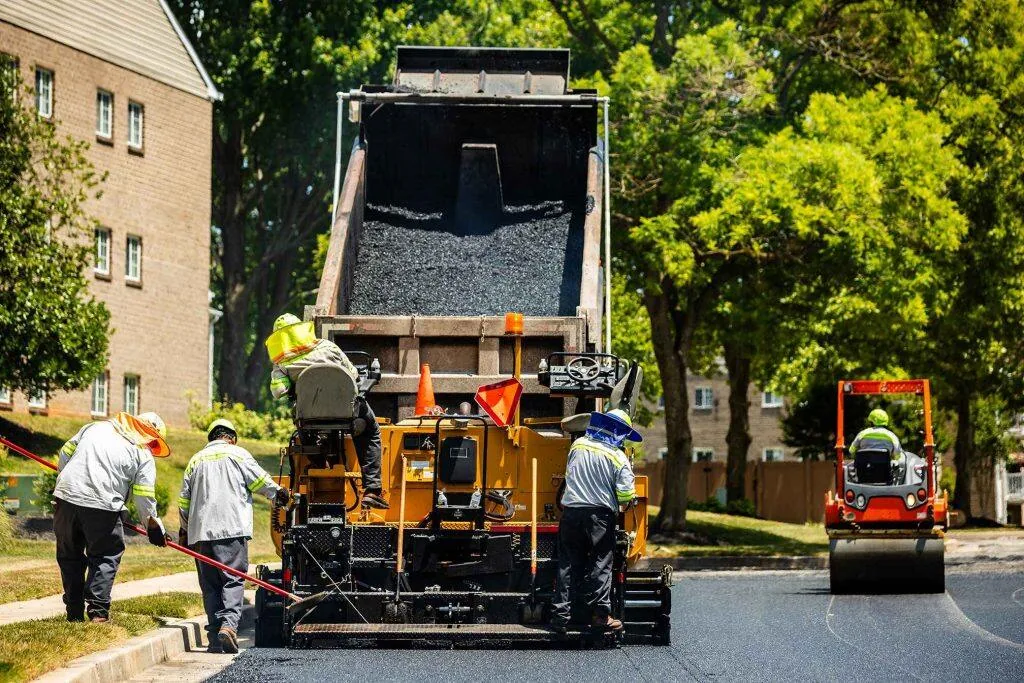
- Better bonding for asphalt overlays
- Removal of drainage issues and uneven grades
- Reduced stress on the underlying pavement
- Faster turnaround times compared to full reconstruction
Milling prepares aging pavement for a stronger, longer-lasting asphalt surface.
What Reclaimed Asphalt Means
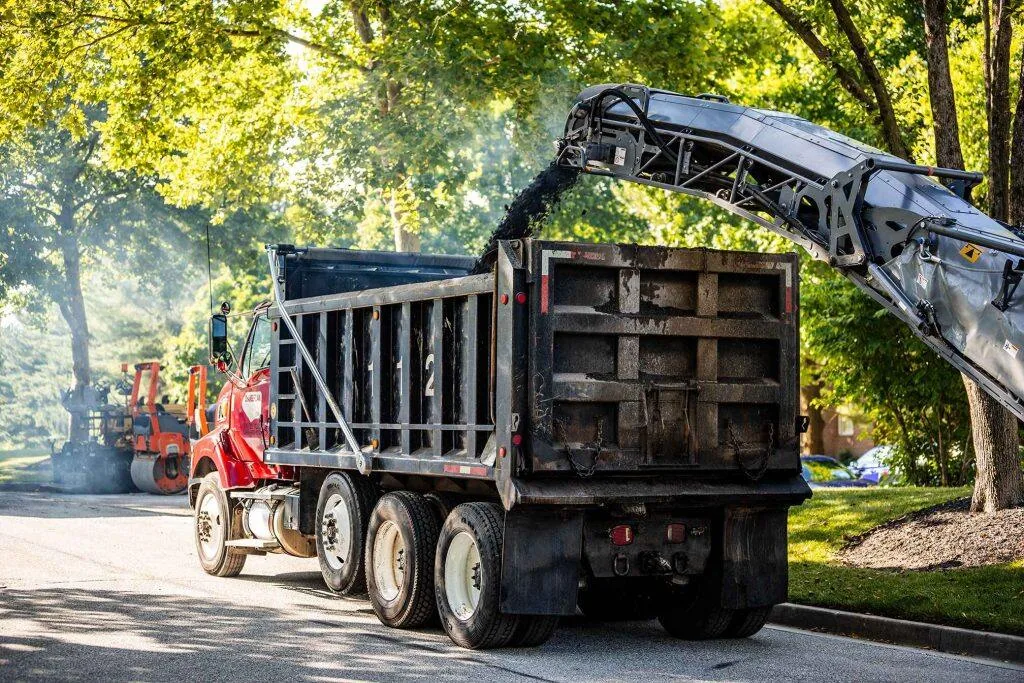
Asphalt reclamation takes the milling process a step further by grinding and reprocessing old asphalt for reuse. It is then incorporated into new mixes or reused on-site as part of the restoration process.
Advantages of reclaimed asphalt:
- Significant cost savings on new materials
- Lower environmental impact
- Less waste is sent to landfills
- Improved sustainability for municipalities and large commercial campuses
Recycling old pavement into new surfaces helps extend the life of your asphalt and reduces long-term maintenance costs.