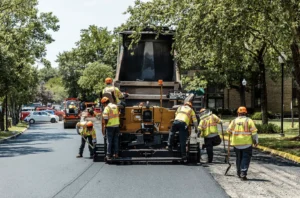
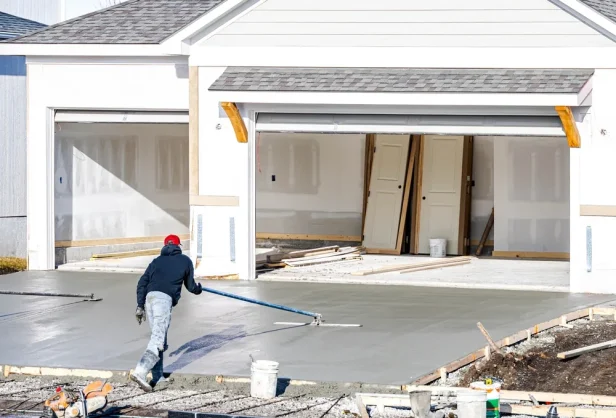
Asphalt generally costs less to install than concrete and can be a practical choice for commercial parking lots and roadways. Concrete typically has a higher upfront cost but may offer better long-term value for certain applications. Choosing between asphalt and concrete depends on vehicle loads, site conditions, maintenance needs, and how much downtime your property can accommodate.
Scroll horizontally to compare both materials.
| Comparison factor | Asphalt | Concrete |
|---|---|---|
| Initial cost | Generally lower upfront installation cost | Generally higher upfront installation cost |
| Opening to traffic | Usually opens sooner, once adequately cooled and approved by the contractor | Opens after reaching the specified strength; timing depends on the mix and conditions |
| Maintenance | May include crack sealing, patching, sealcoating, and eventual resurfacing | May include joint maintenance, crack repairs, and localized slab repairs |
| Repair options | Localized patching or resurfacing may address damage, depending on its depth and extent | Localized repairs or slab replacement may be needed, depending on the damage |
| Service life | Depends on pavement thickness, base preparation, drainage, traffic, and maintenance | Depends on slab design, base preparation, drainage, traffic, and maintenance |
| Climate considerations | Mix selection and drainage help manage temperature changes and moisture | Proper mix design, air entrainment, drainage, and curing support freeze-thaw durability |
| Commercial applications | Commonly used for parking lots, access roads, and other large paved areas | Commonly used for loading areas, concrete pads, sidewalks, and curbing |
Actual costs, opening times, and pavement performance vary with site conditions, project specifications, traffic loads, and maintenance.
The Pros and Cons of Asphalt Paving
Asphalt is a black, petroleum-based paving material made from a blend of crushed stone, sand, and gravel, bound together with asphalt cement. Its flexible structure and quick curing time make it a common choice for commercial roadways, driveways, and parking lots.
Asphalt paving is especially valued for its cost-efficiency and ability to perform well in colder climates. Here are some of its most common advantages and disadvantages to help you determine if it’s the right surface for your project.
Advantages of Asphalt
1. Cost-Effective
Asphalt installation typically costs less than concrete. It’s a budget-friendly choice for large-scale projects such as parking lots or long roadways, helping property owners stay within budget without sacrificing quality.
2. Quick Installation
Unlike concrete, which can take several days to cure fully, asphalt sets much more quickly. This makes it a convenient choice for time-sensitive commercial projects where reducing downtime is critical.
3. Flexible Surface
Asphalt’s slightly flexible surface allows it to adjust to minor ground shifts and heavy traffic loads. This reduces the likelihood of surface cracking, which can lead to frequent and costly repairs.
4. Less Complex Repair Process
Asphalt is significantly easier to repair. Minor surface damage, such as cracks or potholes, can often be fixed without replacing the entire surface. This reduces business disruption and repair costs, making it an ideal material for maintenance-focused property managers.
5. Cold Weather Performance
Considering asphalt vs. concrete paving for a property in a cold climate? Asphalt generally performs better in freezing conditions due to its flexibility. It adapts more easily to temperature changes, reducing the risk of cracking and surface damage caused by freeze-thaw cycles.
Disadvantages of Asphalt
1. Shorter Lifespan
Although asphalt is durable, it typically has a shorter lifespan than concrete. Depending on your property’s specific weather and traffic patterns, most asphalt surfaces last between 15 to 25 years with proper maintenance.
2. Needs Routine Upkeep
To stay in top condition, asphalt surfaces require regular upkeep, such as sealcoating. Without routine maintenance, the surface may degrade faster and require more frequent repairs.
3. Sensitivity to Heat
Asphalt is more prone to heat absorption, which means that in high temperatures it can become soft and sticky, causing rutting or deformation. This is especially common in parking lots or roadways that are exposed to direct sunlight for extended periods.
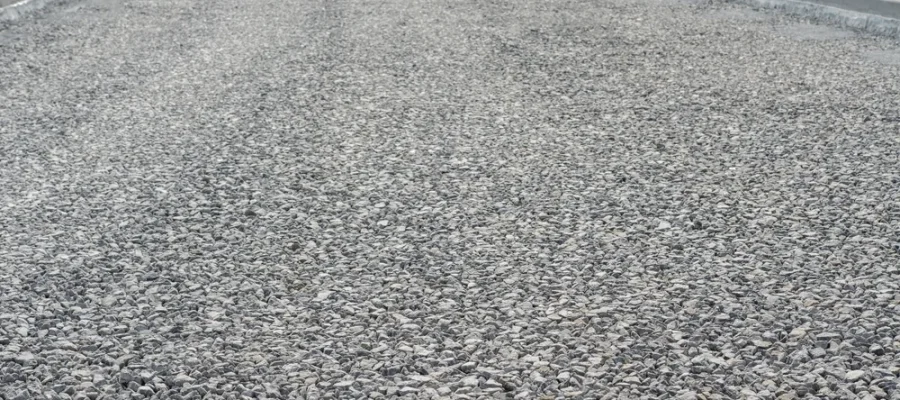
The Pros and Cons of Concrete Paving
Concrete is a light-colored, rigid paving material made from cement, water, sand, and coarse aggregates. Once it sets, it forms a tough, long-lasting surface that can handle heavy traffic and daily wear.
When comparing asphalt vs. concrete paving, concrete often wins points for its ability to withstand extreme heat and customizable appearance, from clean, uniform finishes to decorative textures and colors.
Let’s break down the key advantages and disadvantages of choosing concrete for your next paving project.
Advantages of Concrete
1. Longevity
While asphalt typically needs replacement in 15 to 25 years, concrete surfaces can last 30 to 40 years or longer with proper installation and care, making it a smart long-term investment.
2. Minimal Upkeep Required
Compared to asphalt, concrete surfaces need much less routine maintenance. There’s no need for frequent seal coating or resurfacing, which saves on long-term upkeep costs.
3. Resistant to Heat
Concrete reflects sunlight rather than absorbing it. This helps reduce surface temperatures in hot climates, making it more comfortable for pedestrians and more stable for vehicle traffic in properties in warmer regions.
4. Personalized Appearance
Concrete offers the perfect blend of durability and aesthetics. It can be stamped, stained, or colored to achieve a wide range of custom finishes, from decorative borders to textured walkways, enhancing the curb appeal of any commercial property.
5. High Load Capacity
Concrete offers strong support under constant or heavy vehicle traffic and loads. Its rigid structure makes it a go-to choice for high-load areas like commercial roadways, loading docks, and warehouse entrances where long-term durability is a must.
Disadvantages of Concrete
1. Higher Upfront Cost
One of the biggest drawbacks of concrete is its higher initial installation cost compared to asphalt. This can be a barrier for budget-conscious projects or large-scale commercial surfaces.
2. Extended Installation and Curing Period
Concrete often takes longer to install and fully cure than asphalt. Typically, it can take several days before the road is ready for traffic, resulting in longer downtime for paving projects.
3. Prone to Cracking
Concrete lacks flexibility, so it doesn’t absorb ground movement as well as asphalt. In areas with frequent freeze-thaw cycles or shifting soil, cracks can form more easily and may require patching or resurfacing to maintain the surface.
4. Complicated Repairs
Concrete repairs tend to be more involved than asphalt. Instead of quick patching, damaged sections often need to be cut out and replaced entirely, which can be time-consuming, costly, and may disrupt surrounding areas.
5. Vulnerability in Cold Weather
Freezing temperatures can take a toll on concrete. As moisture works its way into small cracks and freezes, it expands, causing the surface to break down over time. If you’re weighing asphalt vs. concrete paving for a property that sees harsh winters, asphalt may hold up better in the long run.
Cost Comparison and Value
When comparing concrete vs. asphalt costs, consider both the initial installation and the work needed to maintain the pavement over time. Asphalt generally has a lower upfront cost, while concrete may offer competitive long-term value on some projects. Neither material is automatically the less expensive choice over its full service life.
Compare proposals for the same paved area and intended traffic loads. Include excavation, base preparation, pavement thickness, drainage, maintenance, future rehabilitation, and business downtime. A pavement life-cycle cost analysis helps property owners evaluate these costs together instead of choosing solely on the installation price.
Weather and Climate Considerations
Both asphalt and concrete can perform in the Mid-Atlantic when they are designed and installed for local conditions. Freeze-thaw cycles, rainfall, summer temperatures, drainage, and the condition of the underlying base all influence pavement performance.
For asphalt, the mix and pavement structure should suit expected temperatures and traffic. For concrete exposed to freezing and thawing, appropriate air entrainment, curing, and drainage are important. Material selection should account for the complete pavement design rather than assuming asphalt is always better in cold weather or concrete is always better in hot weather.
Environmental Considerations
If you’re conscious about the environment and are looking for sustainable pavement, there are a few factors to consider when choosing between asphalt vs. concrete paving.
- Concrete: Has a higher carbon footprint due to the energy-intensive process of manufacturing cement. Stays cooler, but is less recyclable.
- Asphalt: Made from petroleum, but is more recyclable. Old asphalt can be reclaimed and reused, incorporating recycled materials into new projects. However, its dark color can increase the heat impact.
Ultimately, the best choice depends on whether your priority is minimizing the initial environmental impact or prioritizing sustainability throughout the pavement’s lifespan.
Surface Durability and Functionality
When comparing the difference between asphalt and concrete, long-term durability is often a top concern, especially for commercial properties that see heavy loads and constant traffic. These conditions increase wear and tear, so a durable paving solution makes a big difference.
- Concrete offers a rigid, durable surface that performs well under heavy pressure. It’s ideal for high-traffic areas, such as warehouse floors, truck lanes, and industrial lots. It also provides stable footing for pedestrians and holds up well over time with minimal surface shifting.
- Asphalt provides a smoother ride, making it ideal for roads and driveways. However, it’s more vulnerable to cracking, rutting, and surface breakdown, especially without routine upkeep like crack filling or pothole repairs.
Ultimately, choosing the right material means balancing durability, performance, and how much ongoing maintenance your surface will require.
Selecting the Surface That’s Right for You
Both asphalt and concrete paving offer reliable performance, but each has trade-offs that matter depending on your priorities.
Asphalt is best for fast installation, flexible performance, and lower initial costs. Concrete stands out for its long lifespan, load-bearing strength, and customizable design options.
To make the right decision for your property, consider:
- Expected traffic (volume and load weight)
- Climate conditions
- Maintenance budget and schedule
- Aesthetic preferences
- Timeline for completion
At Chamberlain Contractors, our team can help you choose between asphalt and concrete for your commercial property—speak with one of our paving specialists today!
Contact Chamberlain Contractors for Your Asphalt Paving & Concrete Needs
Whether you’re considering asphalt paving for its fast turnaround and affordability or exploring concrete paving for its strength and longevity, the right solution starts with an expert partner.
At Chamberlain Contractors, we specialize in commercial paving solutions throughout Maryland, Northern Virginia, Southern Pennsylvania, Delaware, and the D.C. Metro area. Our team delivers high-quality installation, expert guidance, and long-term support across every stage of your paving project, from design and materials to maintenance and repairs.
Whether you need new pavement or expert repairs, we offer durable, cost-effective services tailored to your property. Contact us today to get the surface solution that works best for your property.
Frequently Asked Questions
What makes concrete paving different from asphalt?
Asphalt combines aggregate with an asphalt binder to create a flexible pavement. Concrete combines cement, water, and aggregates to create a rigid pavement. Their differences affect installation cost, opening time, maintenance, and repair options. The better choice depends on the property’s traffic, pavement design, and operating needs.
Can concrete paving crack?
Yes, concrete can crack over time, especially in areas with freeze-thaw cycles or shifting ground. Proper installation and maintenance can reduce the likelihood and severity of cracks.
Is asphalt paving a cheaper option?
Asphalt generally costs less to install than concrete. However, the lower-cost option over the pavement’s service life depends on site preparation, traffic loads, maintenance, repairs, and future rehabilitation. Compare proposals with equivalent project requirements rather than installation price alone.
Should climate influence the choice between asphalt paving and concrete paving?
Yes. Temperature changes, rainfall, freeze-thaw exposure, and drainage should influence pavement design and material selection. Both asphalt and concrete can perform in the Mid-Atlantic when properly specified and installed. Climate should be considered alongside traffic loads, base conditions, and maintenance needs.
Can I customize the look of concrete paving?
Yes, concrete is highly customizable. It can be stamped, stained, or colored to achieve decorative patterns, textured finishes, or branded appearances, making it perfect for upscale commercial entries or retail properties.
Which is better for commercial projects?
It depends on your property’s priorities. For fast installs and lower upfront cost, asphalt is a great choice. For longevity, load capacity, and curb appeal, concrete paving is often the better choice, especially for high-traffic commercial sites.