When you start planning a commercial paving project, the first questions that come up are simple: what are the different types of pavement, and which one actually makes sense for this property?
The pavement you choose affects more than appearance. It influences drainage, long-term maintenance costs, compliance requirements, and how smoothly traffic moves across your site. For facility managers, developers, and property owners, the right pavement type can mean fewer disruptions and more predictable budgets over time.
From parking lots and distribution centers to healthcare campuses and municipal roadways, pavement types vary based on load, climate, and usage. Some materials handle temperature swings better. Others are built to carry heavier loads. Understanding those differences early helps you make a smarter, more durable investment.
Understanding Pavement and Its Importance
At its core, pavement is a layered structural system designed to support vehicle traffic and distribute weight into the underlying soil, known as the subgrade. It is not just a surface. It is a system that relies on proper base preparation, drainage, and material selection to perform as expected.
On commercial properties, pavement plays a role in:
- Traffic Flow And Safety
- ADA Accessibility And Compliance
- Drainage And Stormwater Control
- Liability Exposure
- Long-Term Asset Planning
High-traffic sites deal with constant loading, seasonal temperature shifts, moisture, and everyday operational wear. When any layer of the pavement system is weak, surface cracking, settlement, and premature failure tend to follow. That is why material choice and installation quality matter from the beginning.
Common Types of Pavement Materials
Asphalt Pavement (Flexible)
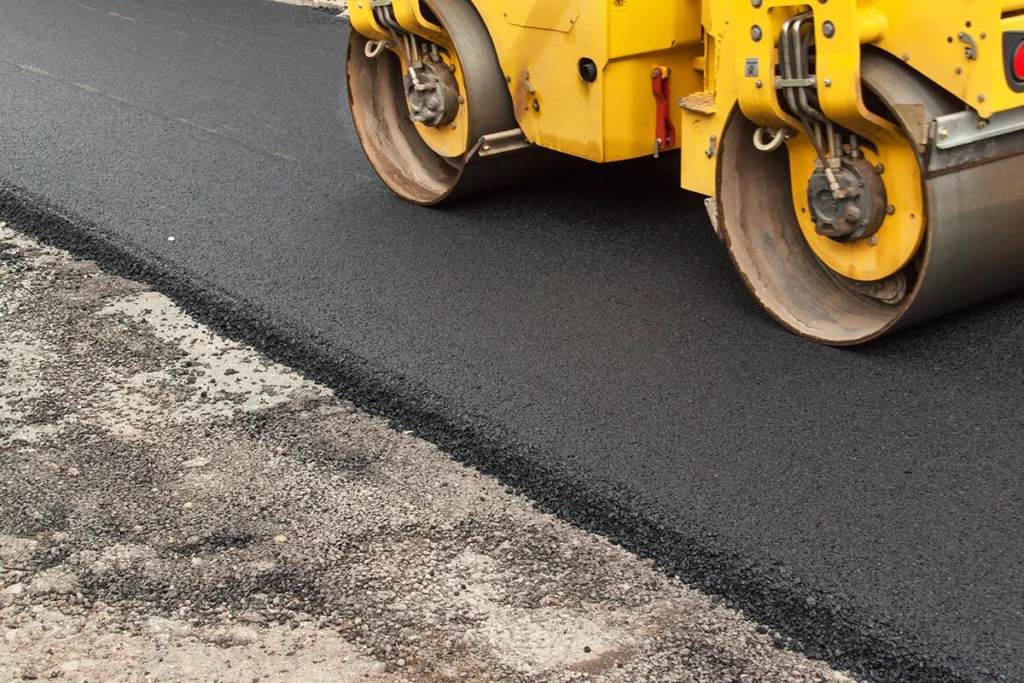
Asphalt is the most widely used flexible pavement in commercial settings. Made from aggregate and asphalt binder, it is installed in compacted lifts over a prepared base. That flexibility helps it handle temperature swings and shifting subgrade conditions.
You typically see asphalt in commercial parking lots, retail centers, and institutional facilities where installation speed and cost control matter. With proper base preparation and routine upkeep through programs like parking lot maintenance, asphalt surfaces often give you 15 to 25 years of reliable service before larger rehabilitation is required.
Concrete Pavement (Rigid)
Concrete pavement is considered rigid because it relies on the structural strength of a concrete slab to carry traffic loads. Rather than flexing like asphalt, it spreads weight across a broader area, which makes it well-suited for loading docks, distribution centers, and industrial sites.
With proper jointing and reinforcement, concrete can last 30 to 50 years, though it requires a higher upfront investment and longer curing time before full traffic use.
Permeable/Porous Pavement
Permeable pavement is designed to let water move through the surface instead of pooling on top. Often used in parking areas and walkways, this helps reduce runoff and can support stormwater management goals on commercial properties
While it comes with a bigger price tag than traditional asphalt, it may help properties meet local water management requirements and reduce surface water issues.
Gravel and Other Unbound Surfaces
Gravel surfaces are made from compacted stone without a binding material. They are typically used for temporary access roads, low-traffic service areas, or rural commercial properties.
While gravel is inexpensive to install, it does require routine maintenance and grading. It also lacks the durability and smooth performance of asphalt or concrete, which limits its use in high-traffic commercial environments.
Block Pavers and Interlocking Systems
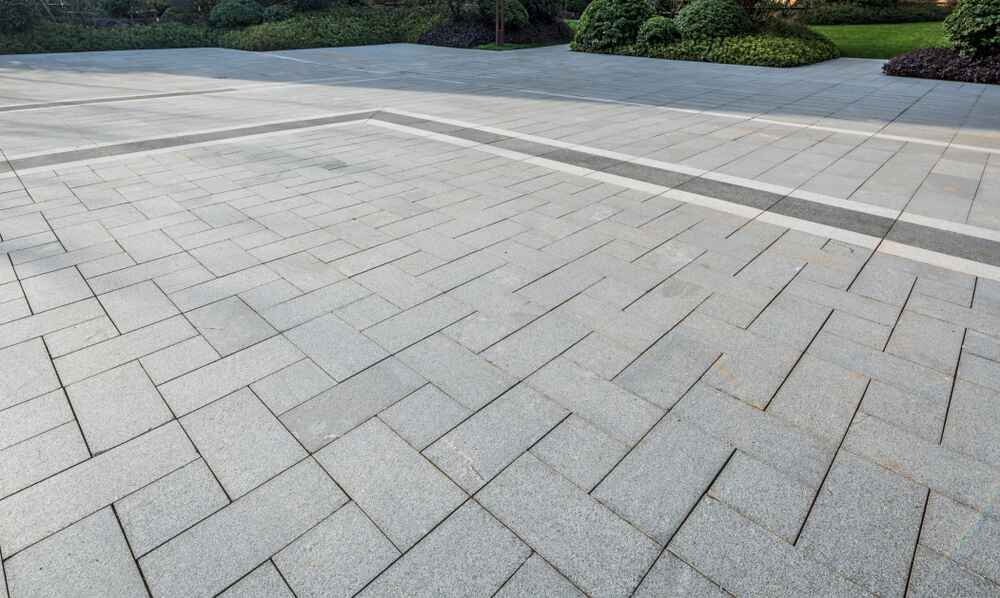
Block pavers are individual concrete or stone units installed in a patterned layout. They are commonly used in pedestrian zones, entryways, and decorative areas within commercial developments.
Pavers can be removed and replaced individually if damaged, which makes spot repairs easier. However, they require careful installation and are generally better suited for light-vehicle or foot-traffic areas rather than heavy commercial loading zones.
Composite Pavement
Composite pavement combines elements of both asphalt and concrete. In many cases, this means placing an asphalt overlay over an existing concrete base. This approach combines the structural strength of concrete with the smoother surface of asphalt.
An asphalt overlay typically involves installing 1.5 to 2 inches of new asphalt over a prepared surface. Overlays are often used toward the end of a pavement’s lifecycle to extend functionality without full reconstruction. They are not the same as sealcoating and should be viewed as a structural renewal rather than a surface treatment.
Pavement Type Comparison Table
| Pavement Type | What It Is | Typical Lifespan | Cost Range | Common Commercial Uses |
| Asphalt | Flexible surface made from aggregate and asphalt binder | 15–25 Years | Moderate | Parking lots, office parks, retail centers |
| Concrete | Rigid concrete slab designed for strength | 30–50+ Years | Higher | Loading docks, truck lanes, industrial sites |
| Permeable Pavement | A surface that allows water to pass through | Varies by design | Higher | Sites with drainage or runoff concerns |
| Gravel | Compacted stone without binder | Shorter lifespan | Lower | Temporary access roads, low-traffic areas |
| Block Pavers | Individual concrete or stone units set in patterns | Long-lasting with a proper base | Higher | Entryways, plazas, pedestrian areas |
| Composite Pavement | Asphalt installed over an existing concrete or stabilized base | High | Moderate to High | Surface renewals, rehabilitation projects |
Factors to Consider When Choosing a Pavement Type
Selecting the right pavement type is not just about cost. It is about how your property functions day to day and how it will perform over time. Traffic volume, climate, soil conditions, and maintenance planning all play a role in determining which material makes the most sense.
Before settling on a pavement type, it helps to look at a few practical factors:
- Traffic Volume And Load Requirements
A small office lot does not face the same stress as a warehouse with steady truck traffic. Heavier vehicles and constant loading may call for a stronger, more rigid surface, while lighter daily traffic may perform well with properly installed asphalt. - Climate And Soil Conditions
Temperature swings and freeze-thaw cycles can put stress on pavement over time. Flexible surfaces may adjust better to movement, but unstable soil or poor drainage can affect any material if the base is not prepared correctly. - Drainage And Stormwater Management
Water is one of pavement’s biggest threats. Surface pooling or moisture beneath the pavement can accelerate deterioration, making proper grading and drainage planning essential. - Budget And Long-Term Costs
Upfront price is only part of the equation. Some pavement types require more routine maintenance, while others involve higher installation costs but fewer surface treatments later. Looking at the full lifecycle gives you a clearer picture of total investment. - Maintenance Expectations
Asphalt typically requires periodic crack filling and sealcoat applications to stay protected. Concrete needs less routine surface treatment but can be more involved if repairs are needed. Addressing smaller issues early through services like patching & pothole repairs keeps problems from getting worse. - Regulatory And ADA Compliance
Commercial sites must meet accessibility and safety standards. Slope, striping, and parking layout all matter. Staying aligned with ADA parking requirements helps reduce liability and avoid costly corrections.
Asphalt vs. Concrete: Which Pavement Type Is Right for Your Property?
When narrowing down the different types of pavement, the conversation often comes down to asphalt versus concrete. Both perform well in commercial settings, but they serve different priorities.
Asphalt is typically chosen for speed, flexibility, and lower upfront cost. Concrete is often selected for long-term durability and heavy-load performance. The right choice depends on how your property is used, how quickly it needs to be operational, and how you plan to manage maintenance over time.
Here is a side-by-side comparison:
| Pavement Type | Installation Cost | Typical Lifespan | Installation Time | Maintenance Needs | Weather Performance | Best Commercial Applications |
| Asphalt (Flexible) | Moderate | 15–25 Years | Faster | Periodic crack filling, sealcoat, surface repairs | Performs well in freeze-thaw conditions due to flexibility | Parking lots, retail centers, office complexes |
| Concrete (Rigid) | Higher | 30–50+ Years | Slower due to curing time | Minimal routine surface treatment; occasional joint or slab repair | Strong under heavy loads; less flexible in temperature shifts | Loading docks, truck courts, industrial facilities |
When Asphalt Makes Sense
Asphalt is often the practical choice for commercial parking lots where installation speed and budget control matter. It can typically be opened to traffic sooner than concrete and is easier to repair if localized damage occurs. For properties planning structured upkeep through services like parking lot maintenance, asphalt offers a manageable long-term strategy.
When Concrete Is the Better Fit
Concrete is commonly used in high-load areas where structural strength is the priority. Distribution centers, heavy truck lanes, and industrial yards often benefit from the added durability. While you are paying a higher upfront cost, its extended lifespan can make it a solid long-term option for properties that deal with heavy traffic consistently.
Cost Considerations: Budgeting for Your Pavement Project
Cost is often the first factor people compare when evaluating pavement types, but the installation price alone does not reflect the full investment. Durability, maintenance demands, and site conditions all influence total cost over time.
Asphalt typically has a lower upfront cost and a faster installation timeline. Concrete generally requires a higher initial investment but may offer longer service life in heavy-load environments.
When budgeting for a commercial property, it is important to account for:
- Traffic Volume And Vehicle Type
- Drainage And Site Conditions
- Compliance And Future Rehabilitation Planning
Maintenance expectations also affect cost. Asphalt surfaces require periodic crack filling, sealcoat applications, and targeted repairs. Concrete requires less routine surface treatment but can involve more complex repairs if structural issues develop.
Not Sure Which Pavement Type Is Right for You?
Call Chamberlain Contractors Now for a Free Consultation
A retail parking lot, a distribution hub, and an industrial yard all place different demands on pavement, and those demands should guide the material choice.
If you are evaluating pavement options for a commercial lot or facility in Baltimore, a professional site review can help you compare performance expectations, maintenance plans, and long-term costs. The team at Chamberlain Contractors works with commercial clients across the region, helping property owners and facility managers select pavement solutions that align with real-world traffic patterns and site conditions.
Chamberlain approaches every project with a focus on durability, structural integrity, and long-term performance. The pavement installed today should still be doing its job years from now.
Frequently Asked Questions
Which pavement type lasts the longest?
Concrete generally lasts the longest, often 30 to 50 years when properly installed and maintained. Asphalt typically lasts 15 to 25 years before resurfacing or overlays are needed.
What pavement type is best for commercial parking lots?
Asphalt is commonly used for commercial parking lots because it installs quickly and is cost-effective. Concrete is often selected in areas with heavy truck traffic or high load concentration.
How can I extend the life of my pavement?
Stay ahead of small issues. Address cracks early, maintain proper drainage, and schedule routine inspections. Preventive maintenance costs far less than reconstruction.
What are the general types of concrete pavements?
The most common types are jointed plain concrete pavement and continuously reinforced concrete pavement. Both are designed to control cracking and support heavy loads.
What is a cheaper alternative to asphalt?
Gravel has a lower upfront cost, but it requires ongoing grading and does not offer the same durability or finish quality as asphalt in commercial settings.
What is type 3 asphalt?
Type 3 asphalt typically refers to a base or intermediate mix used beneath surface layers. It is not usually the final driving surface, but it plays a role in structural support within the pavement system.